You have a mother.
She has a mother.
She has a mother.
She has a mother.
This chain has never been broken. Every link was a real individual who lived, survived, and had a child. If any single one of them had died young, or never reproduced, you wouldn’t exist.
We’re going to follow it backward.
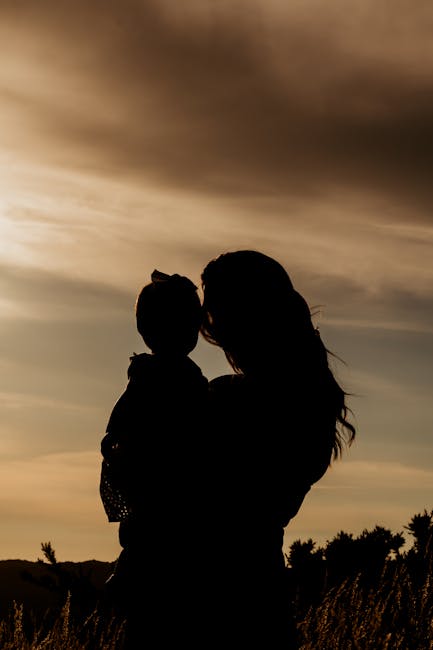
Your biological mother is the ancestor you share with your siblings, if you have any. She is first branch in your family tree.
Inside your cells are mitochondria, tiny structures that turn food into energy. You got them from her. Only from her. They have their own DNA, 37 genes, passed mother to child for hundreds of millions of years, mutating along the way.
This is why we’ll follow the maternal line. Mother to mother to mother to you.
Mitochondrial DNA
Your great-grandmother is the ancestor you share with your second cousins. Some you might see at holidays. Some you’ve never met. Some you mioght not know exist.
She had children who had children who had children, and those lines lead to people alive now. Dozens of them, maybe hundreds, scattered across the world.
She was probably born in the 1930s. Before antibiotics were common. Before television. Her childhood had more in common with the 1800s than with yours.
It feels like ancient history. It’s just three mothers away.
Cousin chart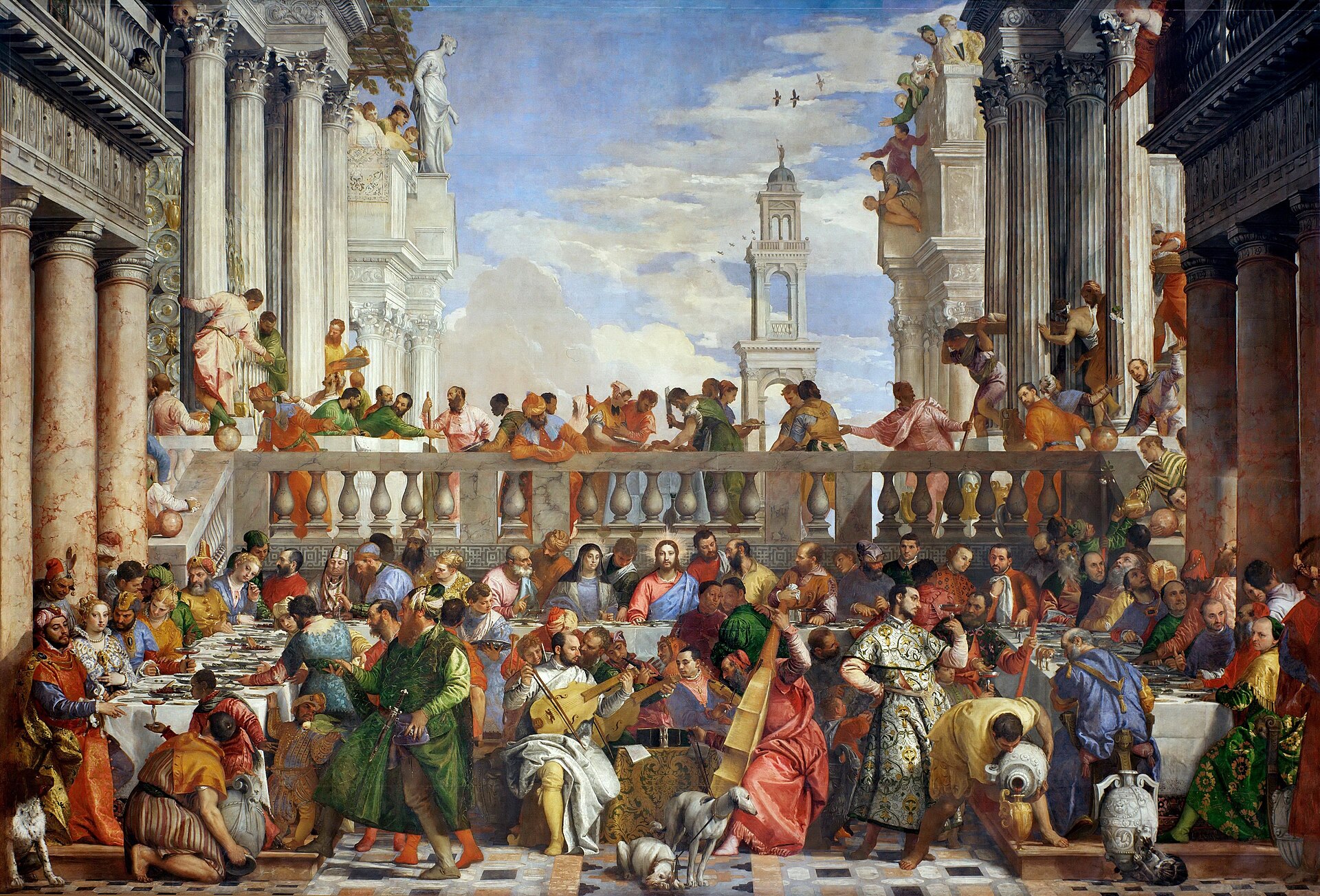
If you look twenty generations back, about 500 years, you’ll see that you share ancestors with a huge amount of strangers.
People in your town. People you pass on the street without a glance. You share a grandmother with them.
The math says you should have over a million ancestors at this depth. Two parents, four grandparents, eight great-grandparents, so on and so on.
But you don’t. Your family tree folds back on itself. The same people appear multiple times. Your great-great-great-grandmother on one side is also your great-great-grandmother on a different side.
This is pedigree collapse. It happens to everyone. The further back you go, the more your tree overlaps with itself, and everyone else’s.
Pedigree collapse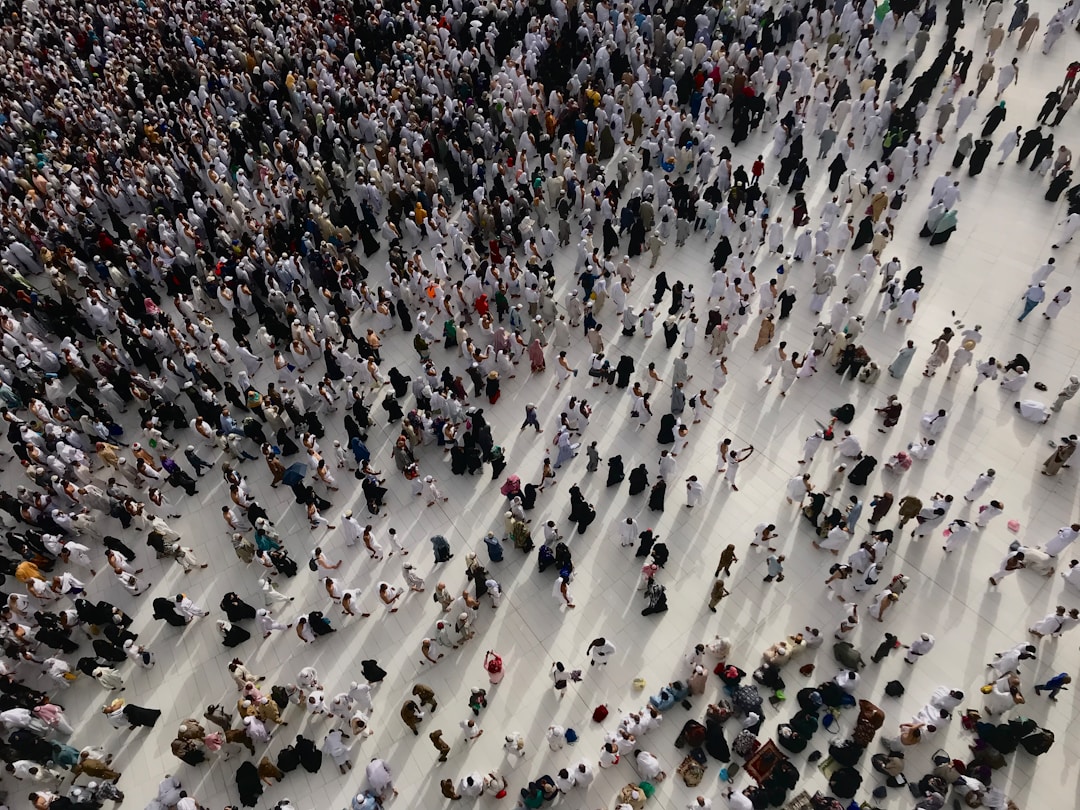
Around 3,000 BCE, while Stonehenge was being built, while the pyramids were rising in Egypt, a woman was alive who is the grandmother of everyone alive today.
Every person you’ve ever met descends from her. Every stranger on the street. Everyone you’ve loved and everyone you’ve hated. Every name in every history book.
Go back a bit further, to around 5,000 BCE, and something stranger happens. By that point, every person in that era either has no modern descendants at all, or is an ancestor of every person alive today. There’s no in-between.
If anyone from that era has living descendants, they’re your direct ancestor. The woman who ground grain by a river in China. The man who herded goats in the Caucasus. The child who survived a famine in West Africa. If their line continued, it leads to you.
Everyone alive now is, at most, your 150th cousin.
Identical ancestors point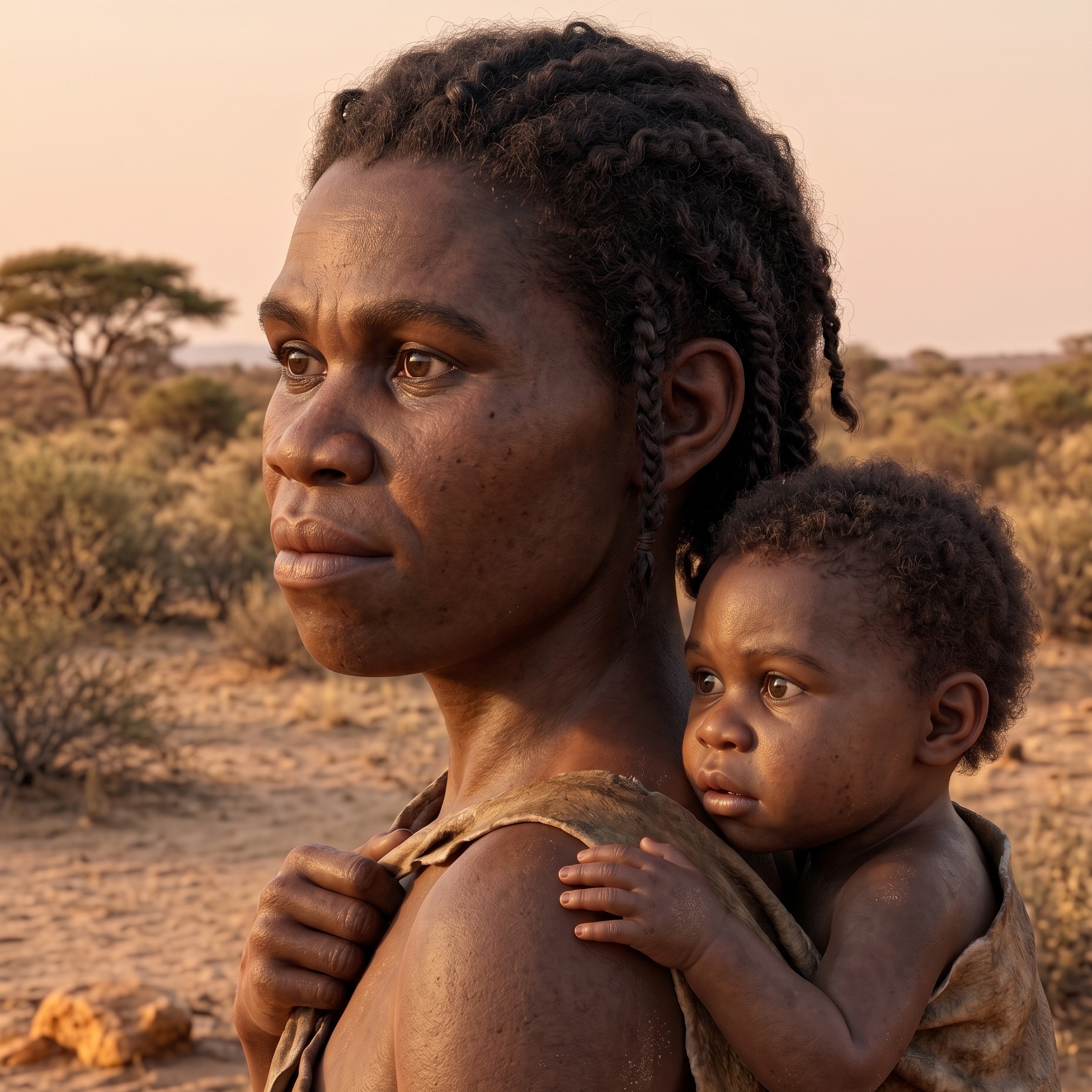
Trace the mitochondrial line. Mother to mother to mother, unbroken. It leads to one woman.
She lived about 200,000 years ago, in what is now Botswana. The Makgadikgadi basin. A vast wetland then; a salt flat now.
Scientists call her Mitochondrial Eve. Not because she was the first woman, but because her line is the one that never broke. Every other woman at that time either had no children, or had only sons at some point, and the line ended.
Hers didn’t.
Her mitochondria are in your cells, right now.
Mitochondrial Eve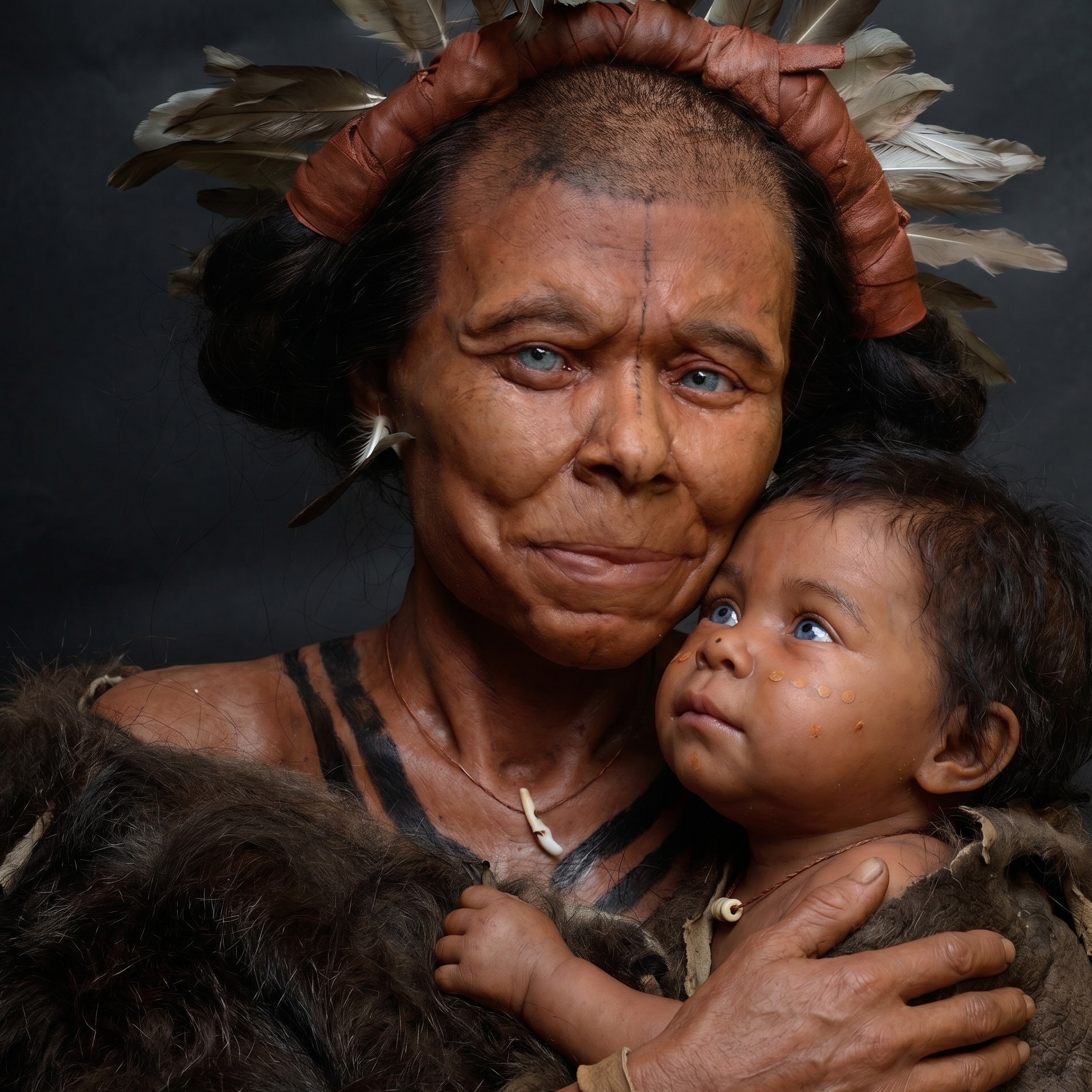
This is where your species began.
The oldest human fossils we’ve found were unearthed in 2017, in Jebel Irhoud, Morocco.
This grandmother lived 300,000 years ago. The skull is longer and flatter, but the face looks modern.
This is the common ancestor of every Homo sapiens who has ever lived. Everyone who painted a cave wall or crossed an ocean or built a skyscraper. Everyone who sang a lullaby or waged a war.
All of them are your cousins through her. The whole human family.
But your family goes back farther than that.
Jebel Irhoud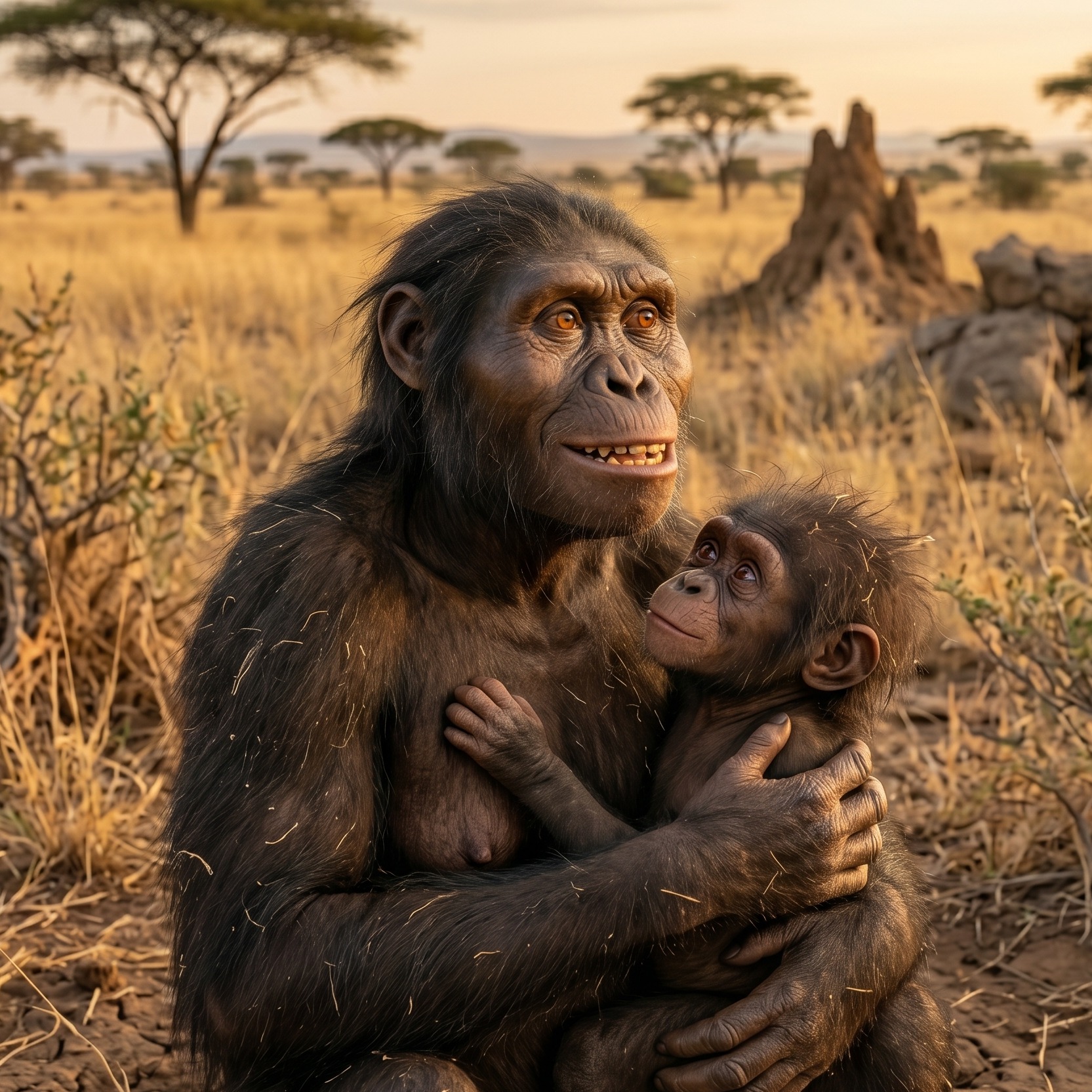
This grandmother lived 3.8 million years ago. Found in 2016, in the Afar region of Ethiopia, it is the most complete early Australopithecus skull ever found.
A herder named Ali Bereino was digging a burrow to protect his goats from hyenas. He saw teeth in the sand. He pulled out a jawbone.
She was Australopithecus anamensis. She had jutting cheekbones, elongated canines, and a brain the size of a chimpanzee’s. She walked upright, but still climbed trees.
She stood about four feet tall. She ate forest foods. She is your grandmother.
Between her time and yours is about 250,000 generations.
Australopithecus anamensis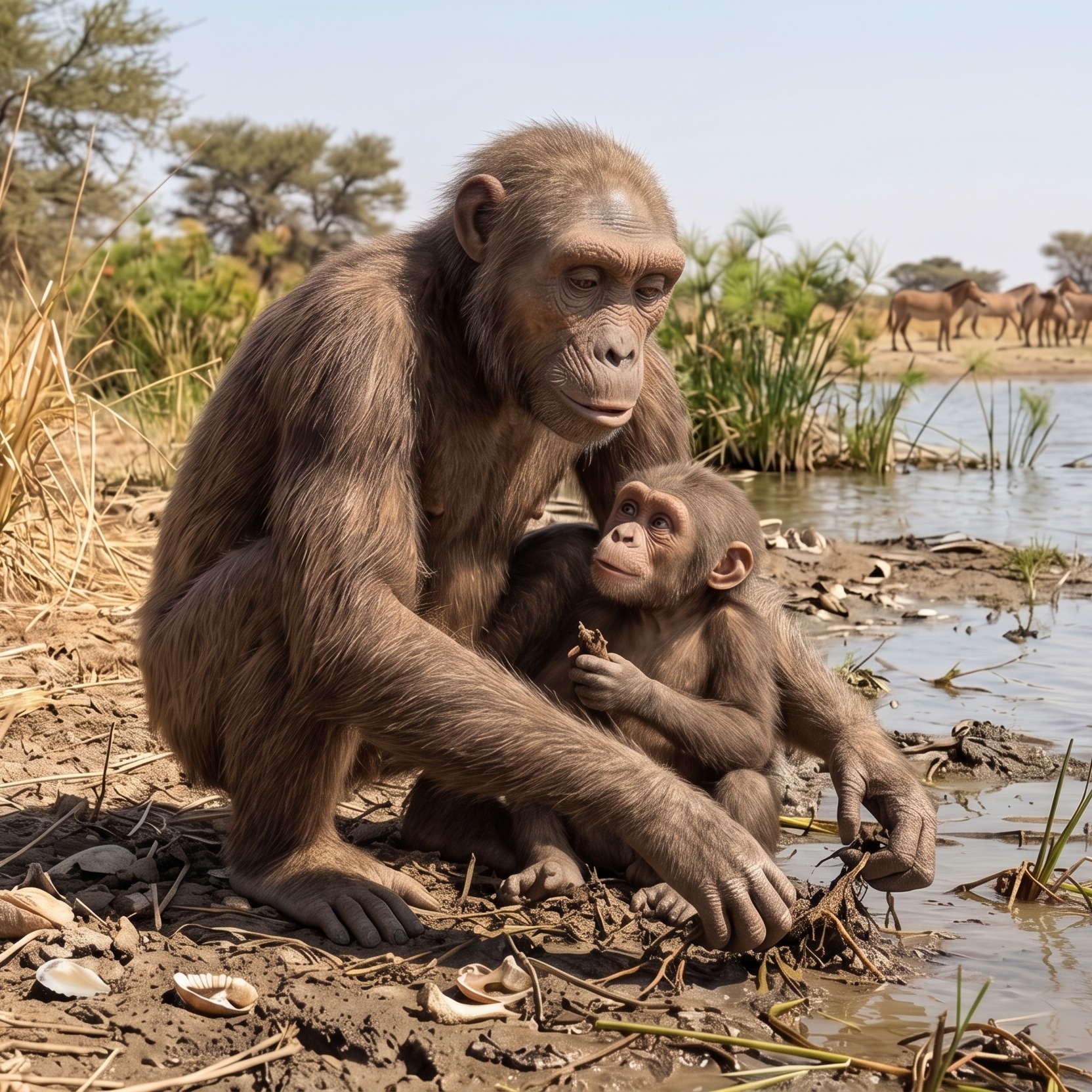
The chain keeps going.
Six million years ago, a grandmother lived who had two lines of descendants. One became you. The other became chimpanzees.
A chimp is your cousin. Your 250,000th cousin, give or take.
That’s the same kind of relationship as the cousin you see at family reunions. Just more “greats” before “grandmother.” In the same way a 6th cousin you’ve never met is still part of your family tree, so too is this grandmother, and all of her descendants.
Chimpanzee–human last common ancestor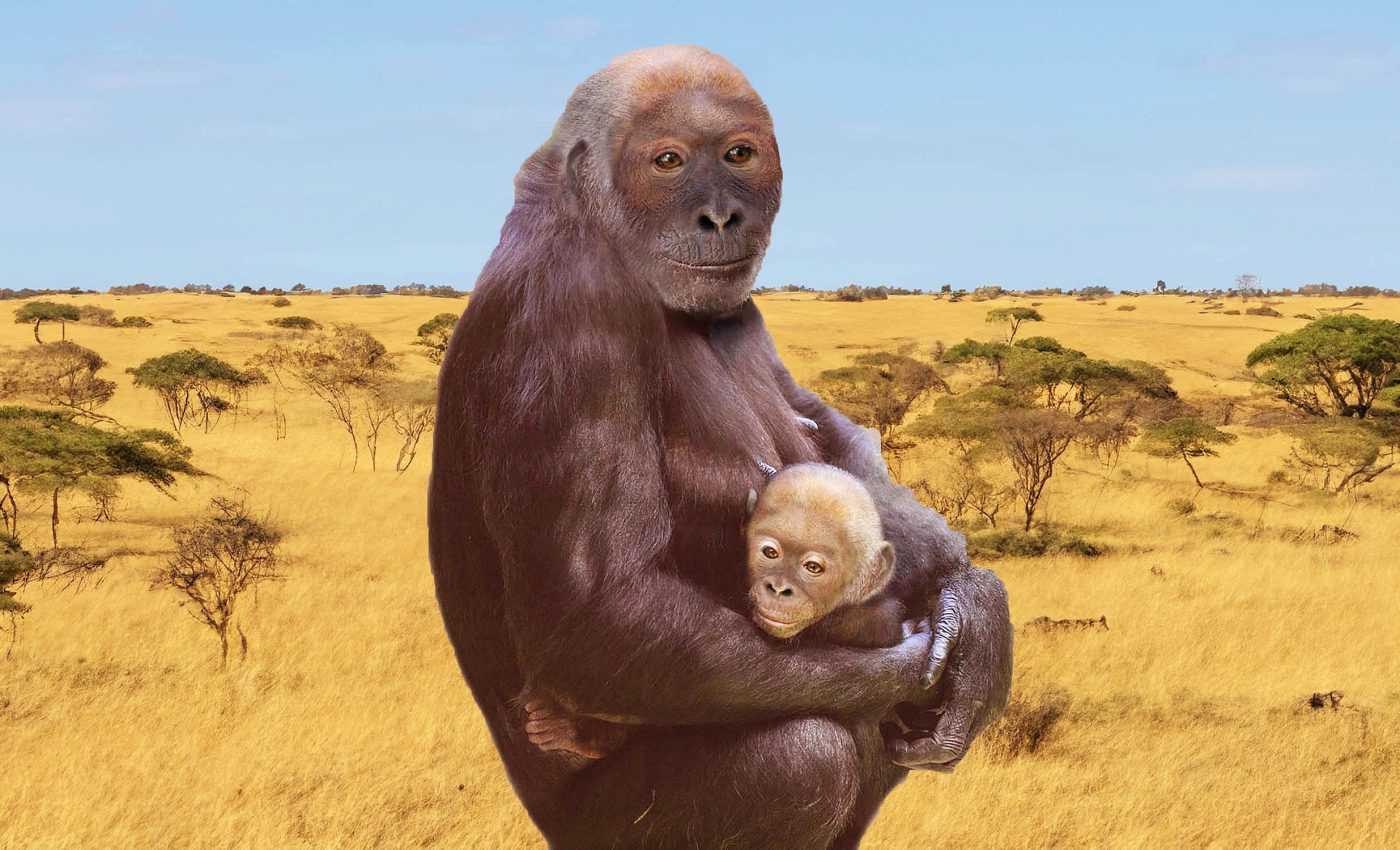
This is the grandmother of all great apes. You, chimps, gorillas, orangutans. All of you descend from her.
You can still see her legacy in your body.
Your shoulder blades sit on your back, not the sides of your ribcage, and your arms rotate in a full circle. Reach above your head. Hang from a branch. Throw a ball.
These are adaptations for swinging through trees.
Orangutans still do it. You don’t, usually. But you have the shoulder for it.
Hominidae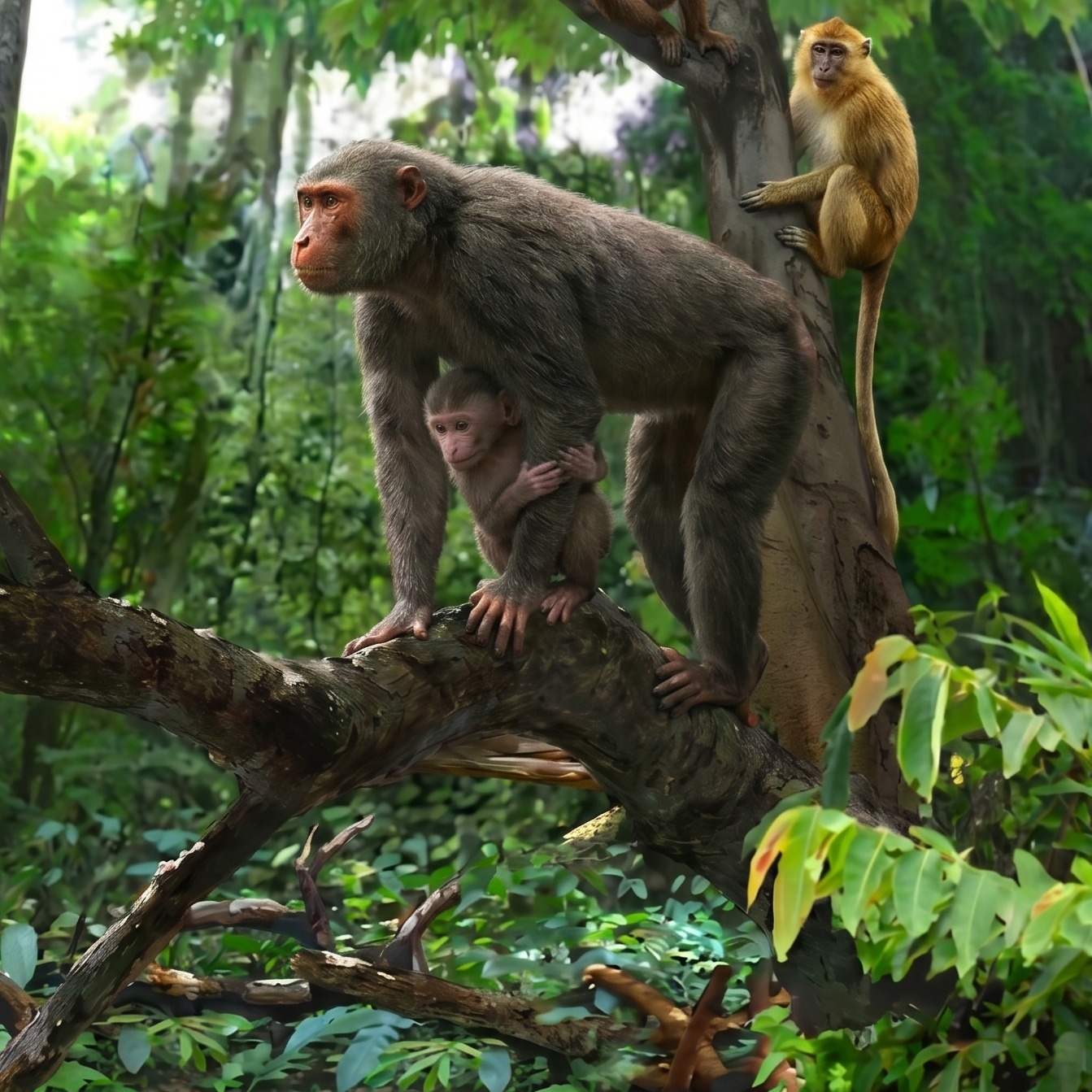
This is the grandmother you share with baboons, macaques, and monkeys.
She had a tail. You don’t. Somewhere in the line between her and you, the gene got switched off.
But it’s still in your DNA. Still there, silent.
Occasionally, rarely, it switches back on. Human babies are sometimes born with vestigial tails. Small, boneless, harmless. The gene is still there, proof of your heritage.
Catarrhini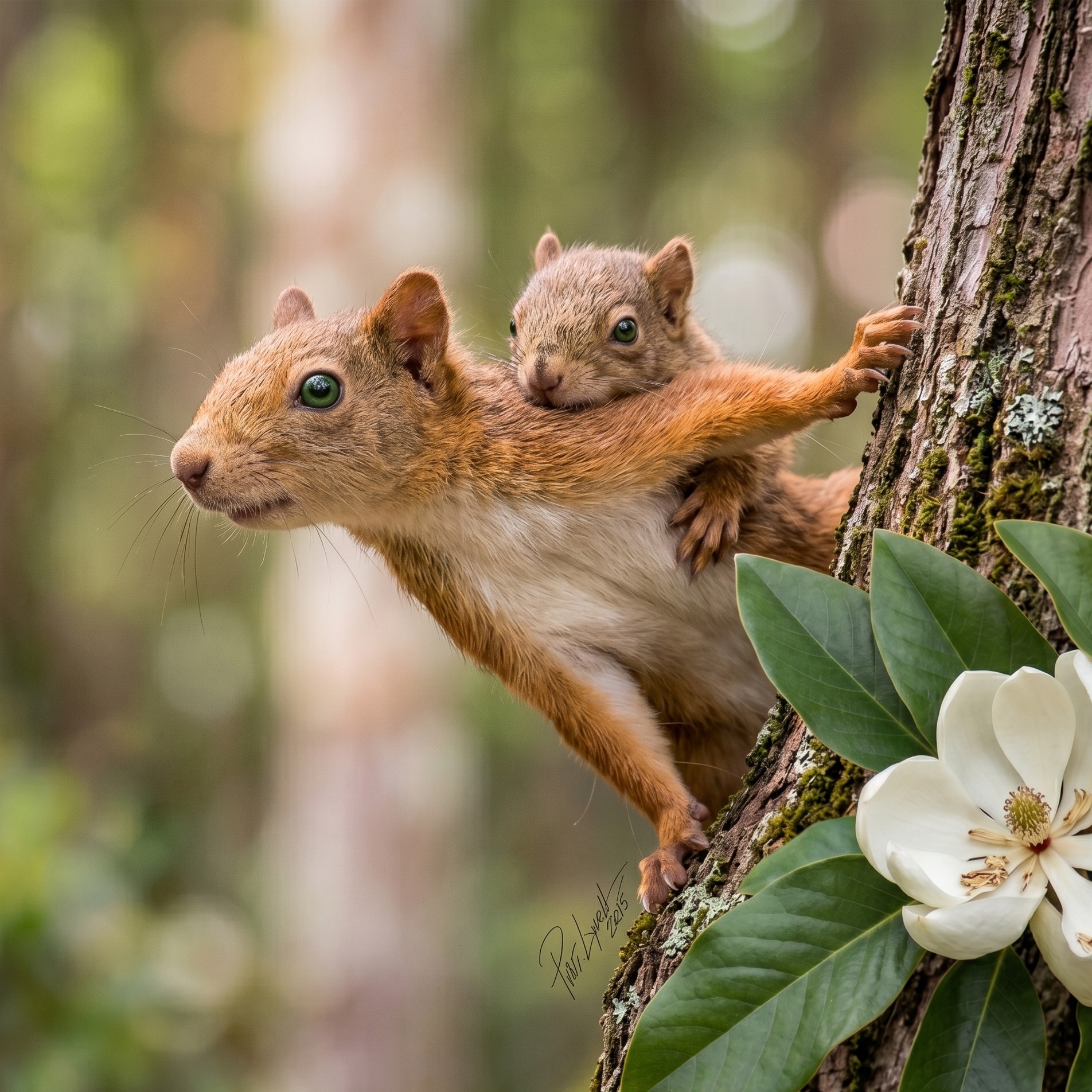
This grandmother unites you to rodents and shrews, making you more closely related to a mouse than to a dog.
You and the mouse share a grandmother who lived about 80 million years ago. You and the dog share one from 95 million years ago.
The mouse is a closer cousin.
Euarchontoglires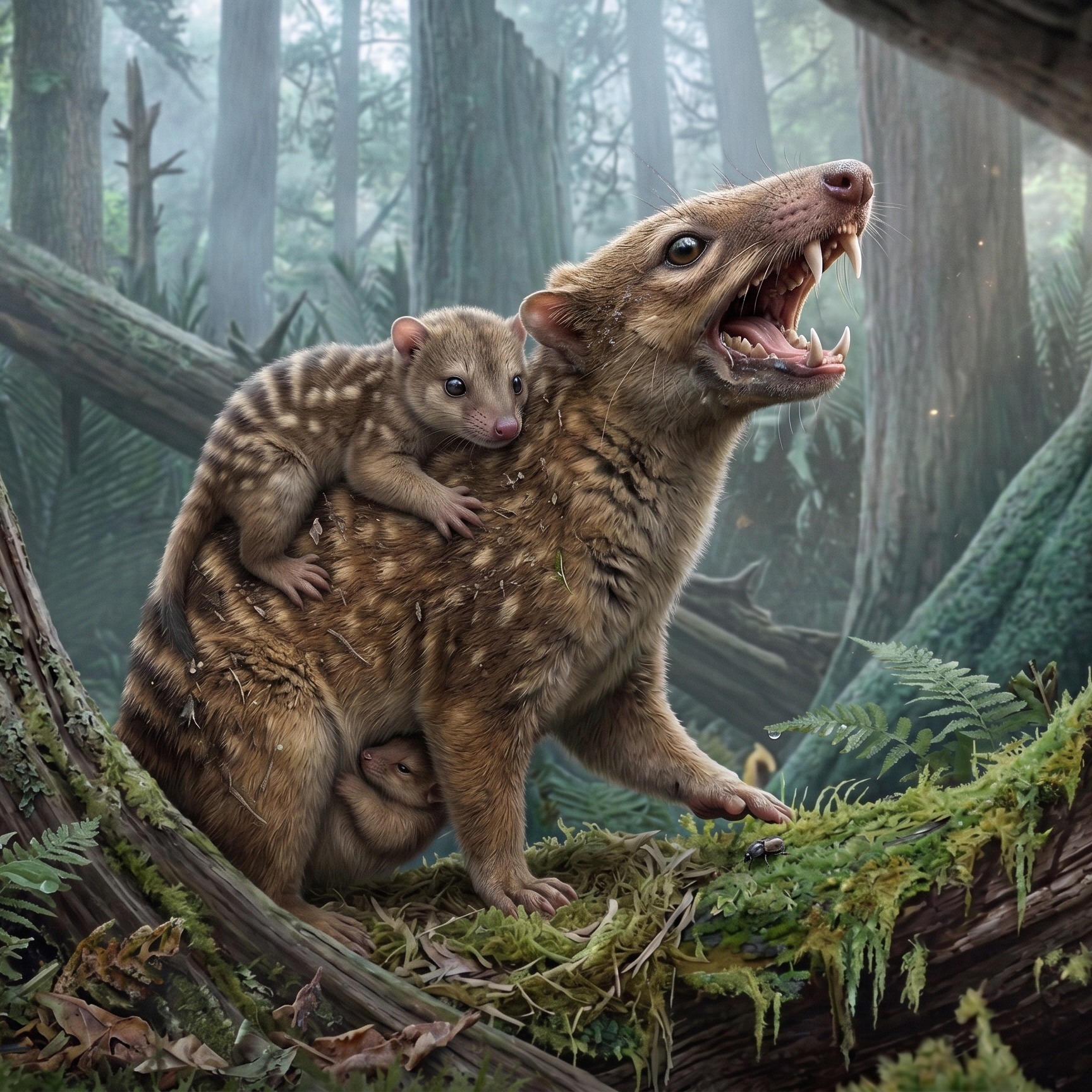
This is the grandmother of most mammals you’d recognize.
Dogs, cats, horses, elephants, bats, whales, mice, you.
She lived in the shadow of the dinosaurs. Small, nocturnal, eating insects, waiting.
Sixty-six million years ago, an asteroid hit the Yucatán Peninsula. The non-avian dinosaurs died. The mammals didn’t.
After the impact, we mammals exploded into every niche the dinosaurs left empty. The sky, the sea, the forests, the plains.
However, some of your cousins went back to the water. Fifty-five million years ago, small dog-like creatures started spending more time in the sea. Over millions of years, their legs became flippers. Their nostrils migrated to the top of their heads. Their tails flattened.
If you X-ray a whale’s flipper, you’ll see five fingers. The same bones as your hand: humerus, radius, ulna, carpals, metacarpals, phalanges. Rearranged, but unmistakable.
Boreoeutheria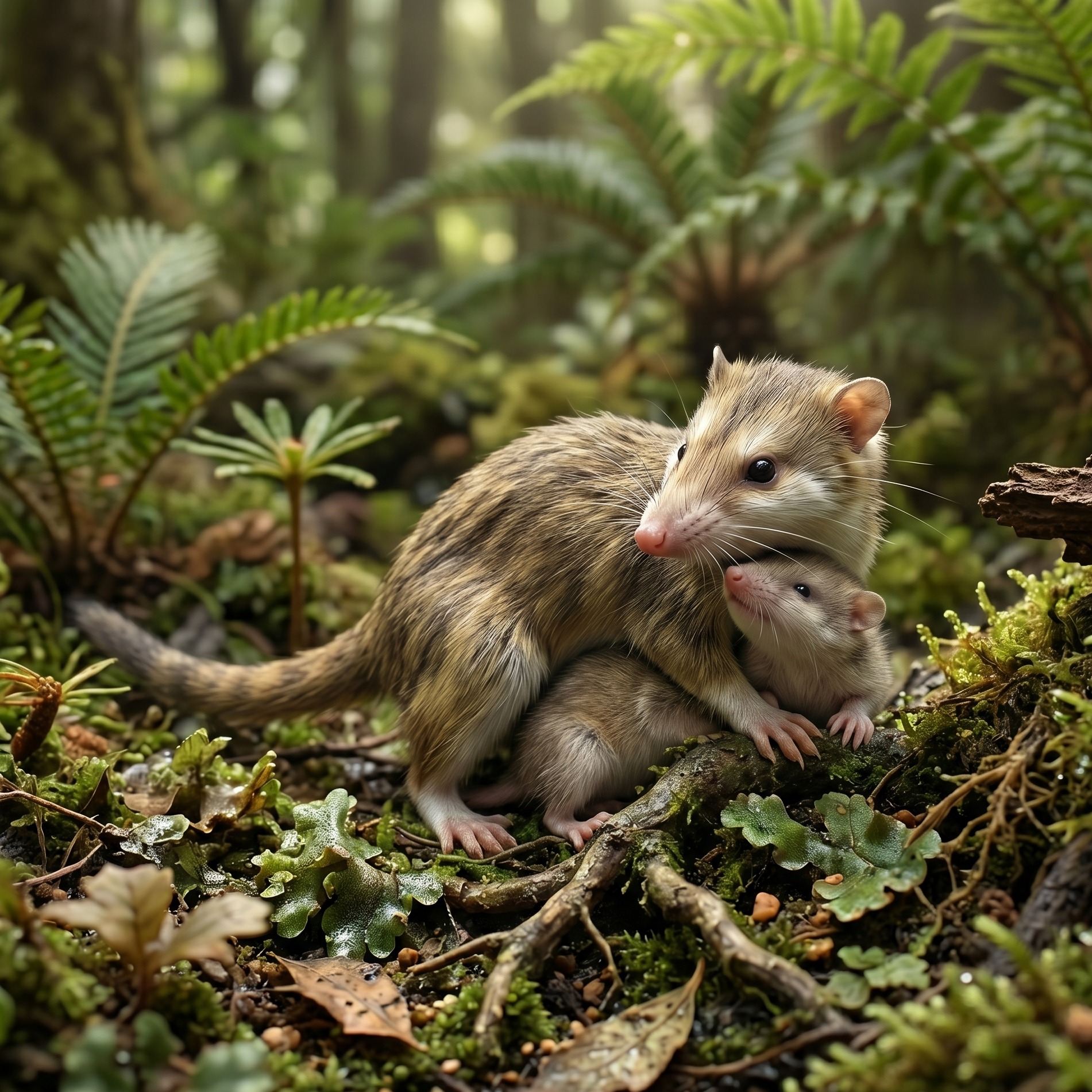
This is your grandmother, 200 million years ago. One of the first mammals.
Her name is Morganucodon. The first fossils were found in 1949, in limestone fissures in Wales.
She was the size of a shrew. Nocturnal. Ate insects.
Technically, she was a mammaliaform: by the strictest definition, not quite a mammal yet. But she had the hinged jaw joint, and nursed her young.
Milk. Warm blood. Fur.
You got all of this from her.
Morganucodon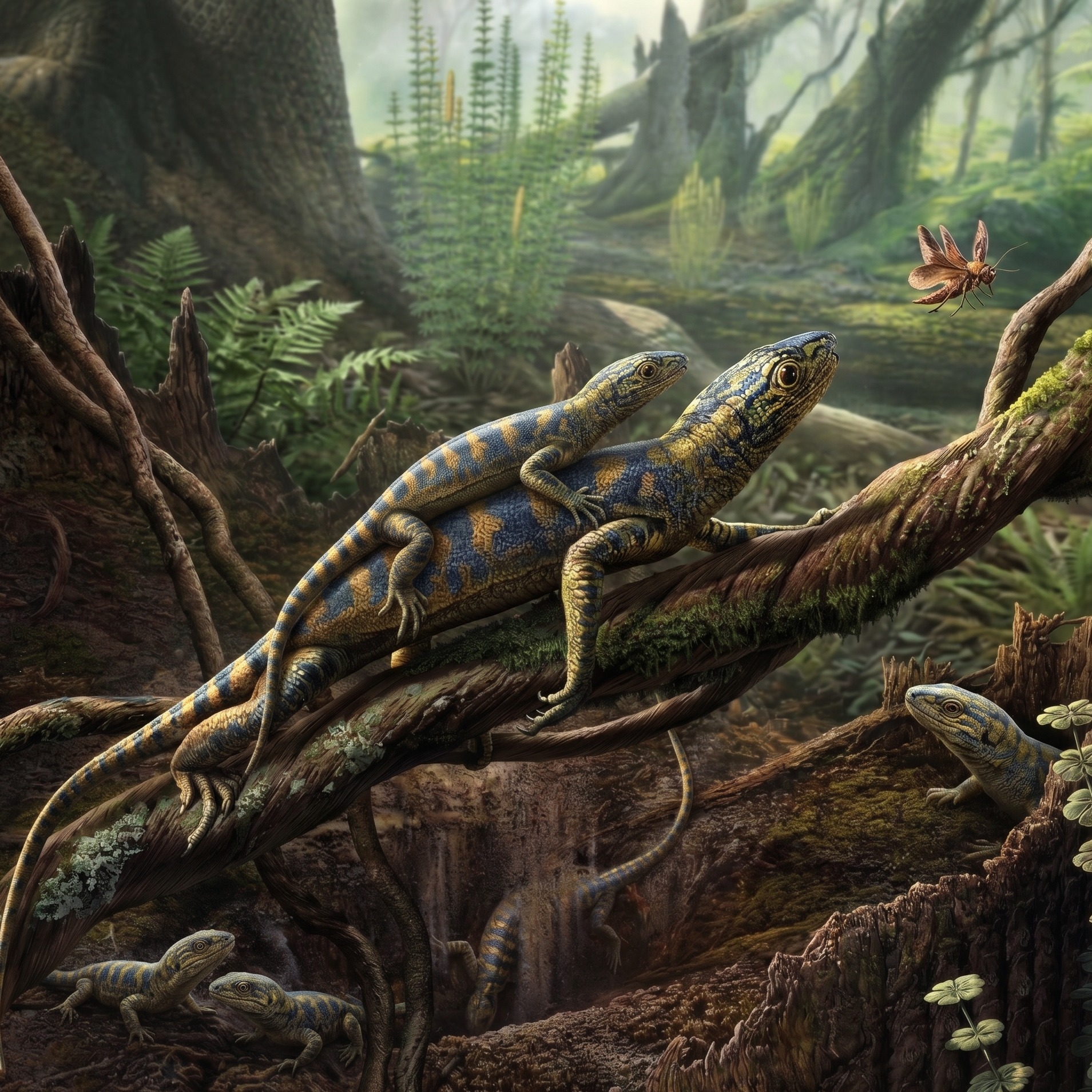
This is the grandmother you share with every lizard, snake, turtle, crocodile, and bird.
Her name is Hylonomus. Found in Nova Scotia. 315 million years old. Twenty centimeters long.
She did something new. Her eggs didn’t need to be laid in water.
Inside the shell, a membrane filled with fluid surrounded the embryo. A private ocean, inside the egg. For the first time, an animal could lay its eggs on dry land and walk away.
She freed her descendants from the water’s edge. Everything that followed depended on that egg. Dinosaurs, birds, mammals, you.
The sparrow outside your window is a dinosaur. Not descended from dinosaurs. Is a dinosaur. The way you’re a mammal, not descended from mammals. Your cousin went down a different line. Ten thousand species of bird now. More than all mammal species combined.
Hylonomus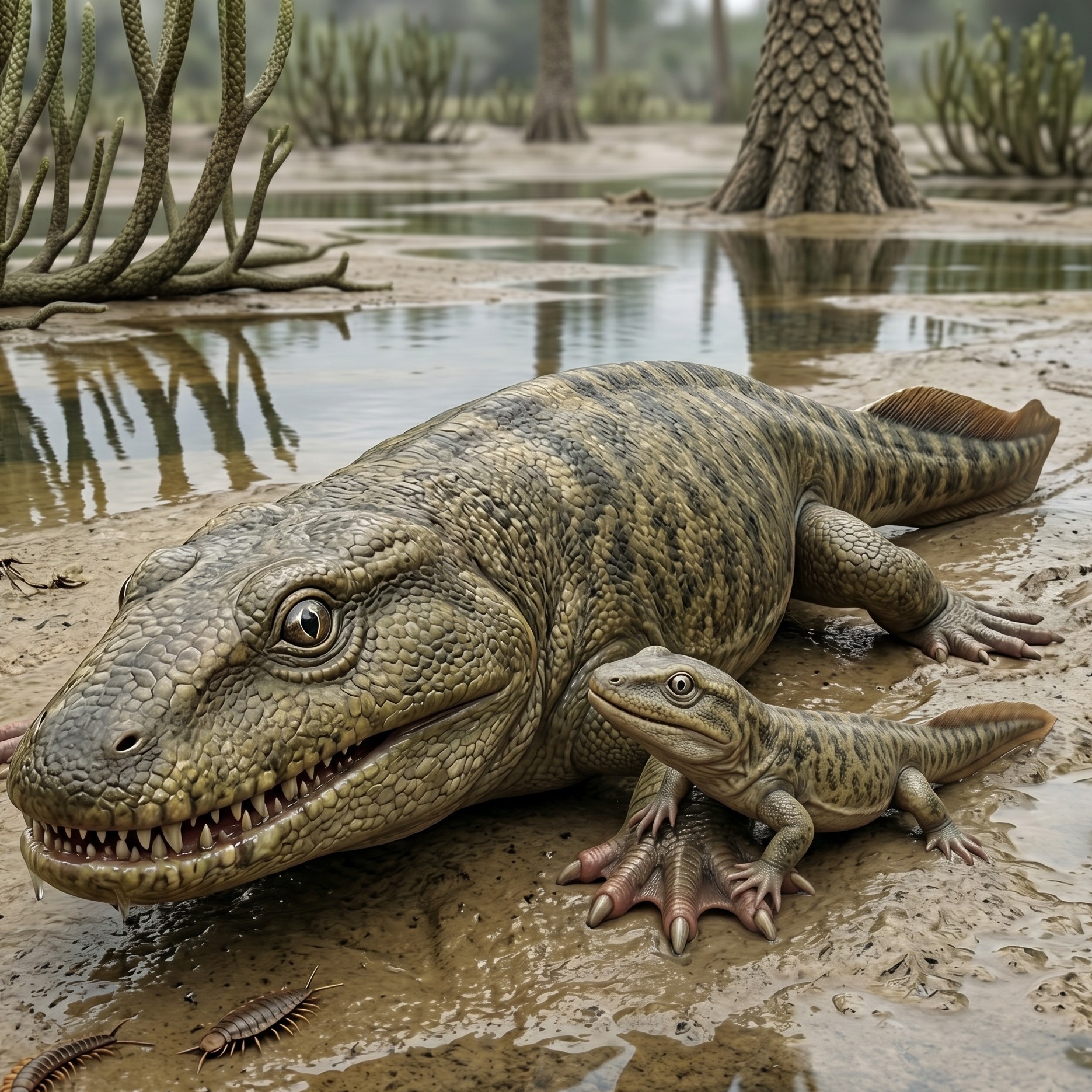
This is the grandmother you share with every frog, salamander, and newt.
Her descendants split into two lines. One developed the egg that could be laid on land. That’s you.
The other stayed tied to the water. Amphibians. They still have to return to it to breed. Their eggs dry out without it.
Her name is Ichthyostega. She lived about 365 million years ago in what is now Greenland. She had eight toes, and both lungs and gills.
Amphibian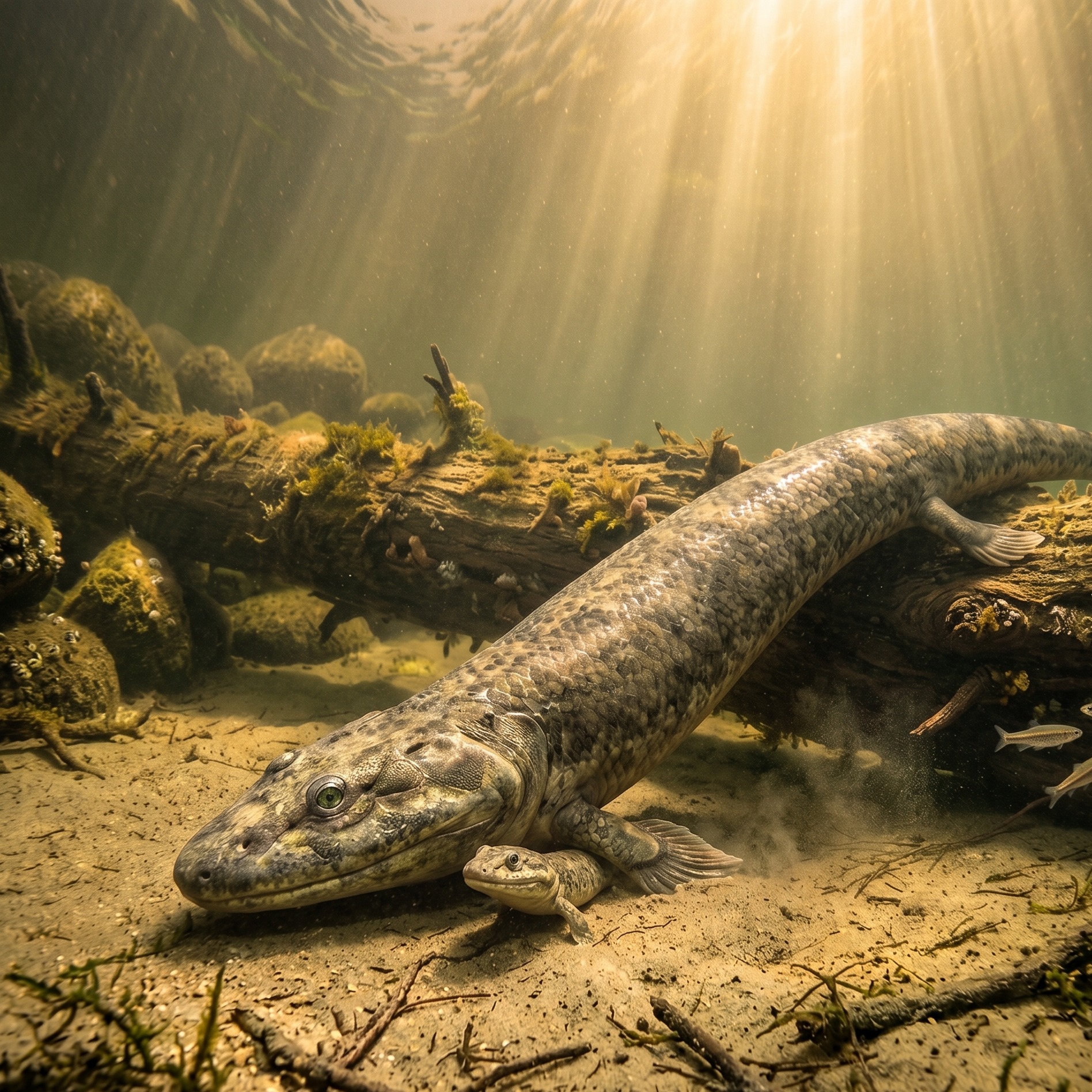
This is the grandmother who first crawled.
Her name is Tiktaalik. Found in 2004 on Ellesmere Island, in Arctic Canada. 375 million years old.
Gills. Scales. By most measures, a fish.
But inside her fins were bones: humerus, radius, ulna, and wrist. She could do push-ups. She could prop herself up and look around.
Your wrist was invented by a fish.
The bones are still there. Modified, reshaped, but the same bones. Hold your arm out. Bend your wrist. That motion was made possible by your grandmother, 375 million years ago.
Tiktaalik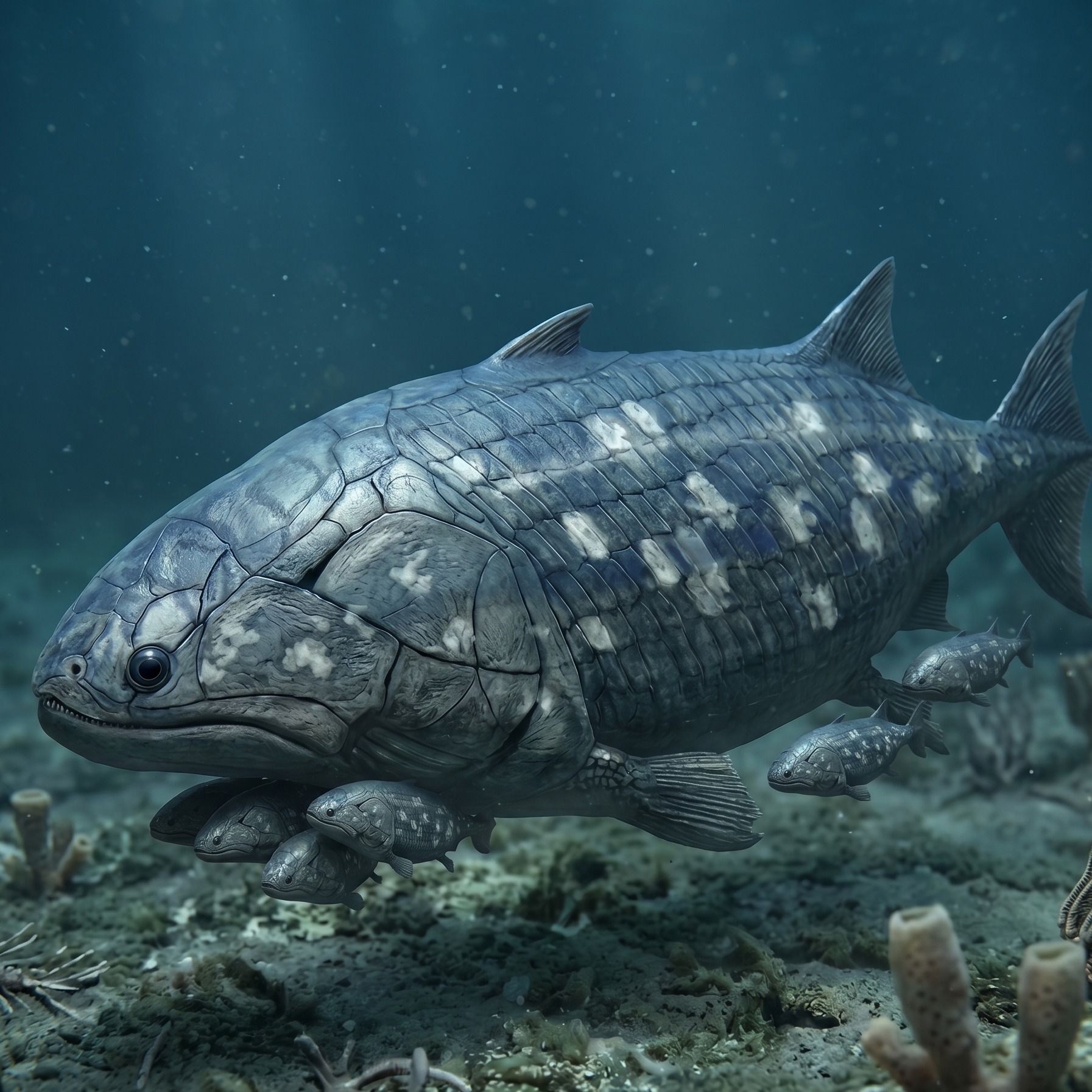
This is the grandmother you share with salmon, trout, goldfish, tuna. Most fish you’d recognize.
She had a gas-filled sac connected to her gut. In her descendants, it took two paths.
In your line, it became lungs.
In theirs, a swim bladder for buoyancy.
Same organ from the same grandmother. She gave it to both of you. You breathe with it. They float with it.
Osteichthyes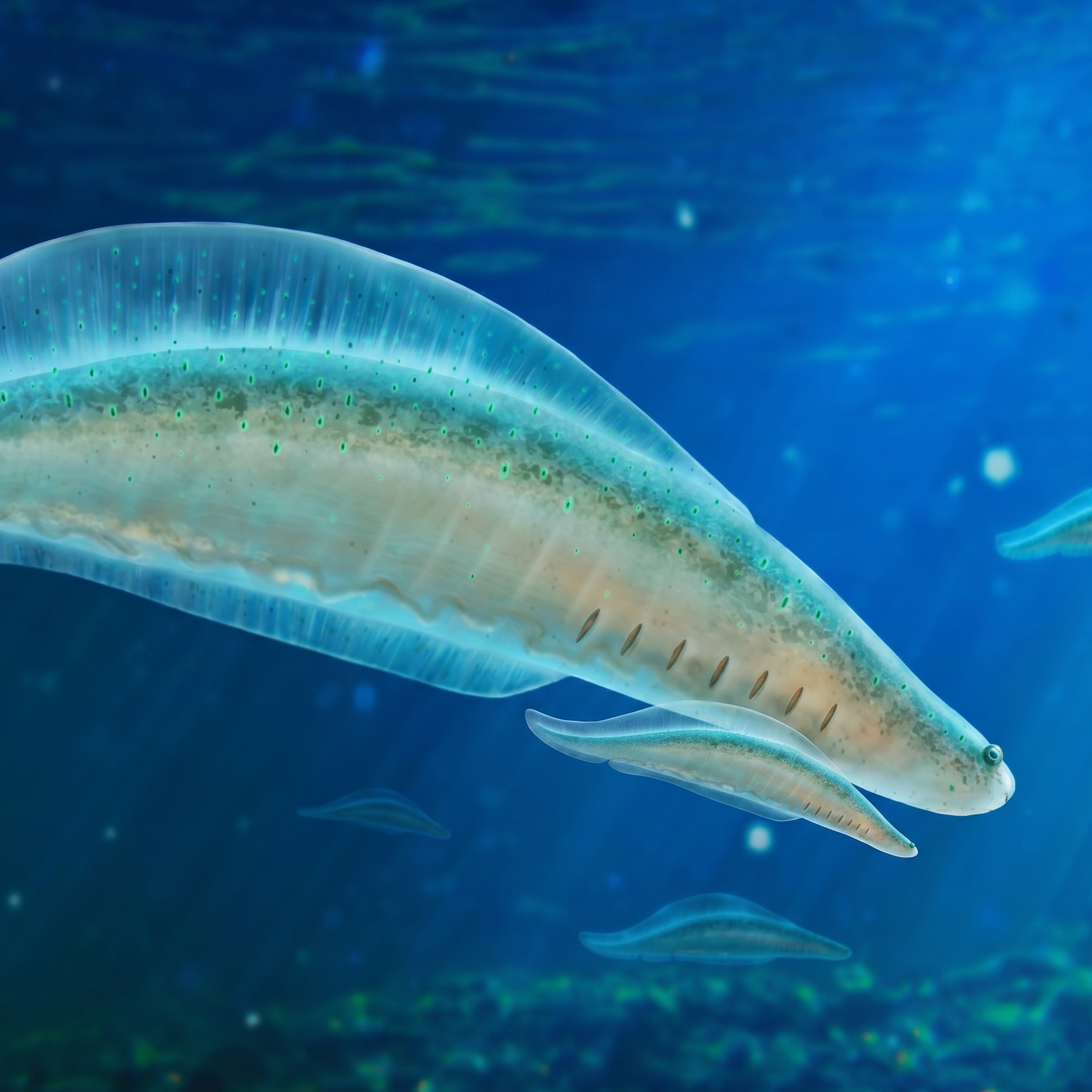
This is the first backbone.
Her name is Haikouichthys. Found in Yunnan Province, China. 518 million years old.
She was smaller than your thumb. No jaws. No teeth. Just a mouth and the beginning of a spine.
The Cambrian explosion was underway. Life was inventing body plans as fast as it could. Most of them died out.
Hers didn’t.
Everything with a backbone comes from her. Fish, amphibians, reptiles, birds, mammals, you.
Haikouichthys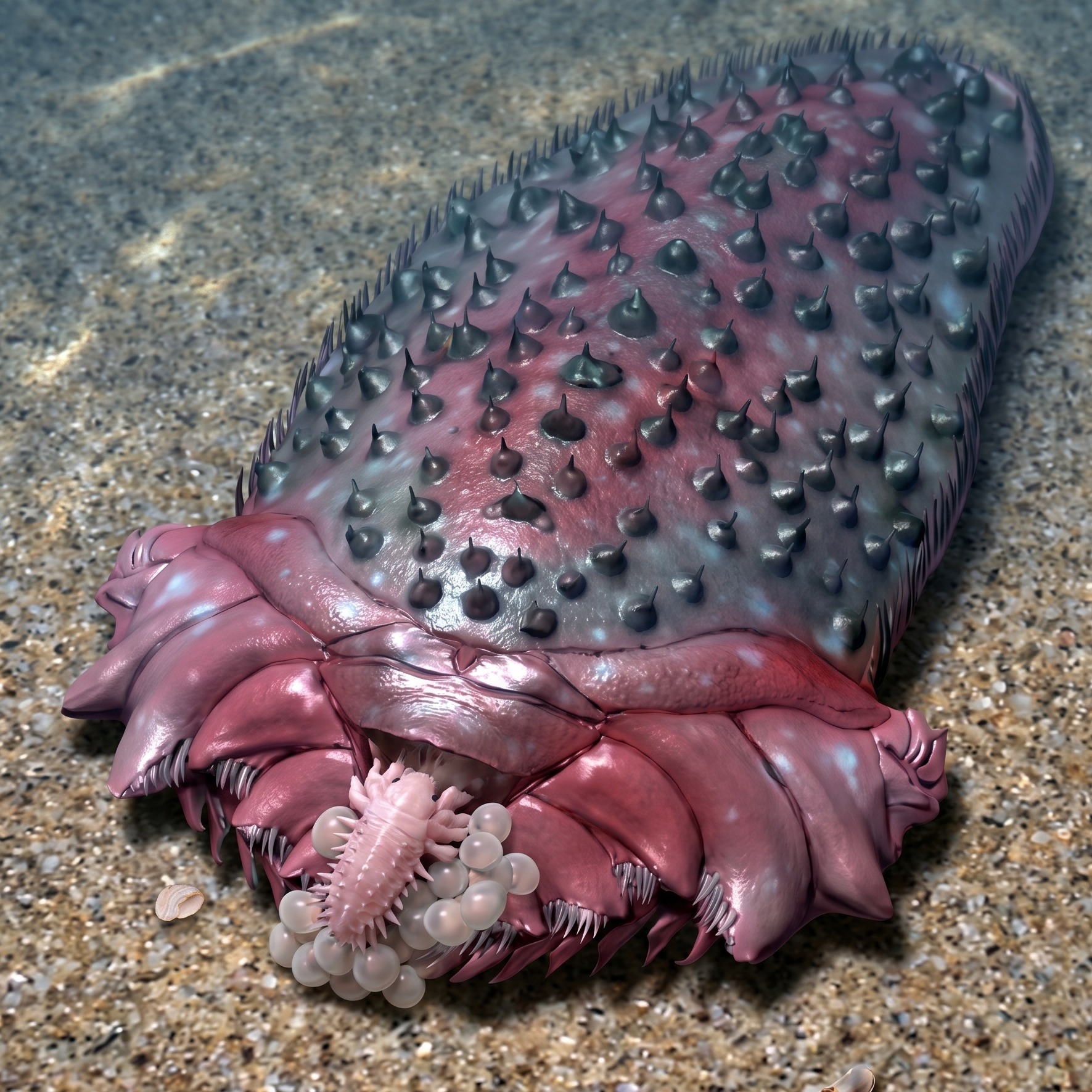
This is the grandmother you share with every insect, spider, crab, worm, snail, and octopus.
Scientists call her the Urbilaterian. She was a worm. Small, soft-bodied, crawling on the seafloor. She had no brain. She had no eyes. But she had the genetic toolkit for both. Her descendants built them, separately, many times.
From her, two great lines emerged. Yours is called Deuterostomia: “second mouth.” In your embryo, the first opening becomes the anus; the mouth comes second. The other line is Protostomia: “first mouth.” The opposite.
There are 20 quadrillion ants alive right now. 2.5 million for every human. By the numbers, the protostomes won. You are the minority branch.
Urbilaterian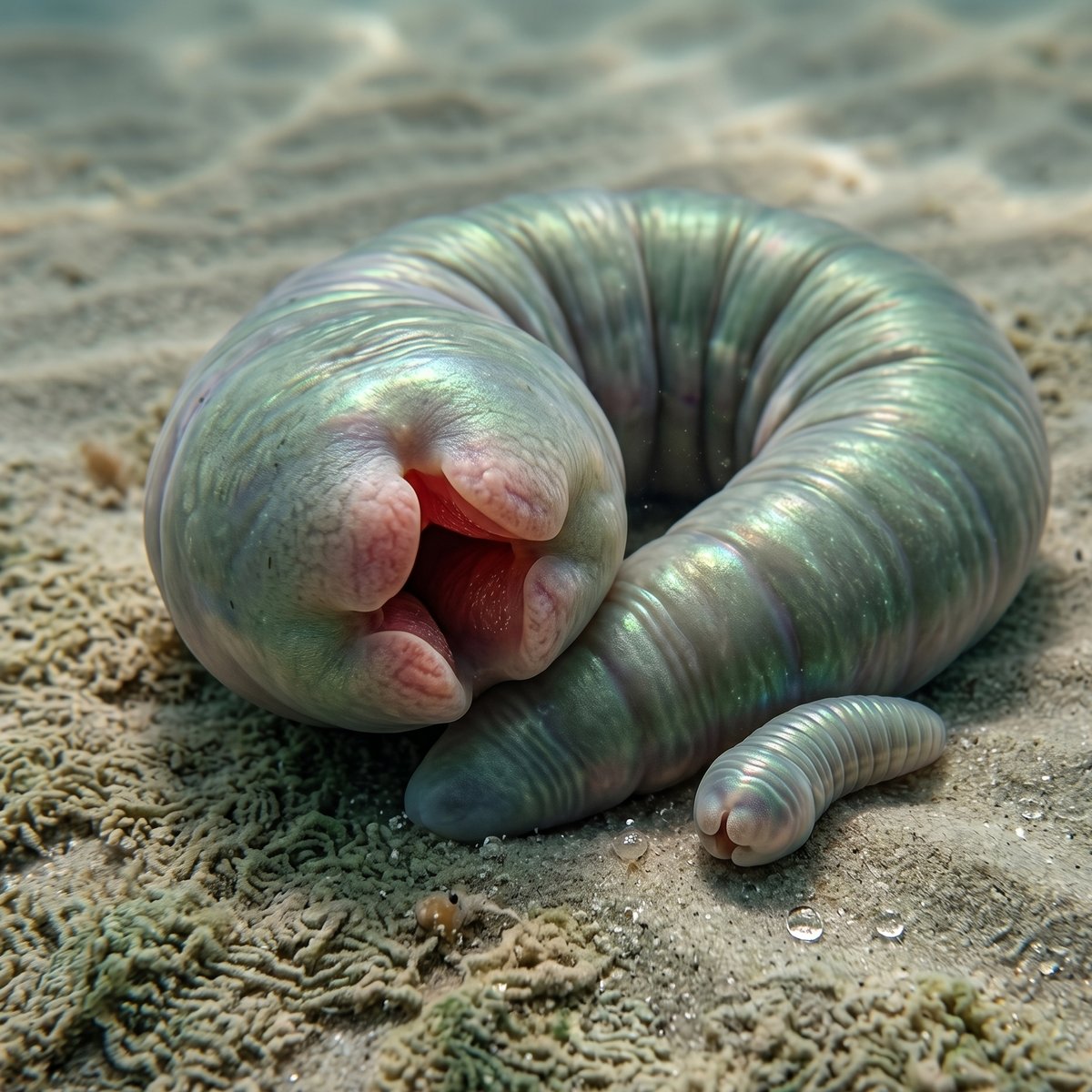
This is Ikaria wariootia. The earliest bilaterian. The first ancestor on the family tree that contains most animals today, including you.
She was the size of a grain of rice. 2 to 7 millimeters long. Found in 555-million-year-old rock in South Australia.
She had a front and a back. Two symmetrical sides. A mouth and an anus connected by a gut. This is your body plan. You got it from her.
She moved by contracting muscles across her body, burrowing through sediment on the ancient seafloor, eating organic matter as she went.
For 15 years, scientists found her burrows but couldn’t find her. Then, in 2020, 3D laser scanning revealed her: a simple, worm-like shape, preserved as faint impressions in the rock.
She is your grandmother. The first animal you can call an ancestor.
Ikaria wariootia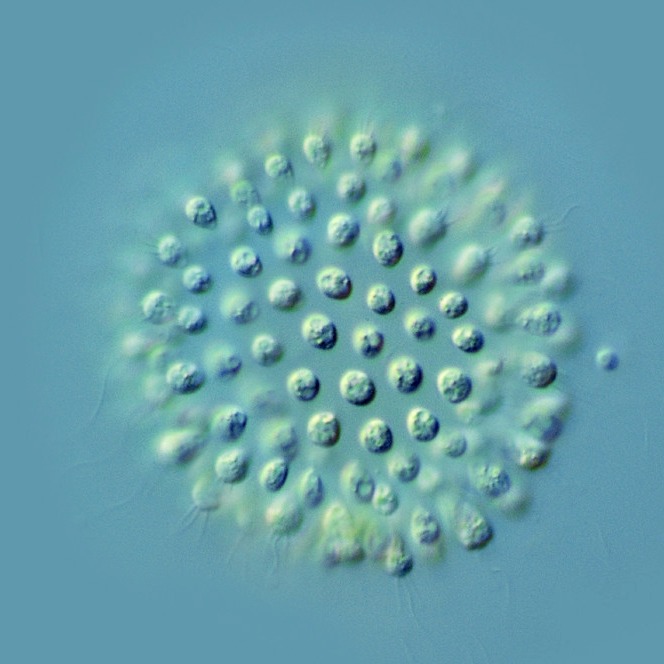
This is the grandmother you share with every mushroom, mold, and yeast.
She lived about a billion years ago. A single cell. From her, two lines: one became animals, one became fungi.
Plants split off earlier, half a billion years before. The mushroom on the log is a closer cousin than the tree it grows on.
The evidence is molecular. A specific 12-letter insertion in a gene, found in almost all animals and fungi. Not in plants.
You also share chitin. In fungi, it’s in the cell walls. In your line, it remains in the exoskeletons of your insect cousins. Same molecule from the same grandmother.
Opisthokont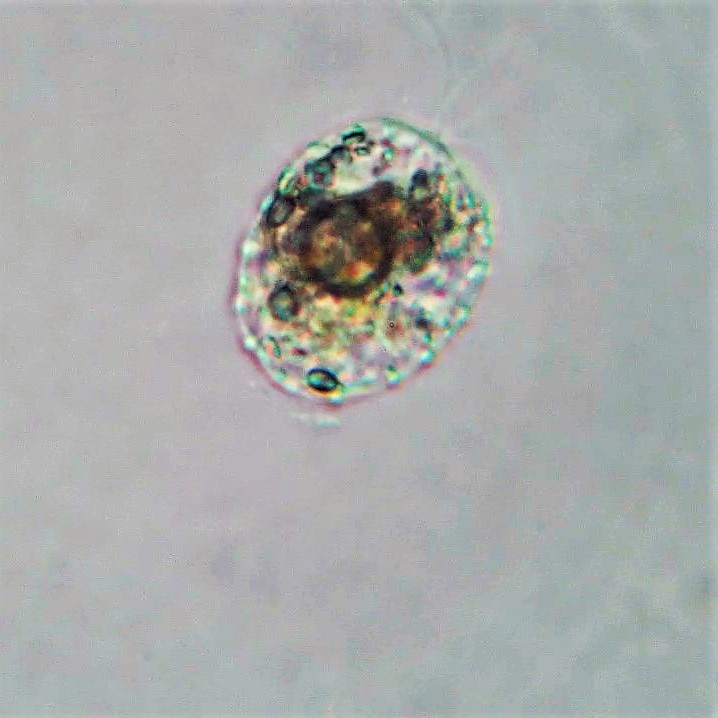
This is the grandmother you share with every oak, every blade of grass, every fern and flower. Every apple you’ve eaten is your cousin through her. Every grain of wheat. Every vegetable on your plate.
She was a single cell. A eukaryote, with a nucleus.
After her, the plant lineage acquired chloroplasts. They were once free-living cyanobacteria that got engulfed by a larger cell and kept alive.
Chloroplasts still have their own DNA. A separate genome, inside every plant cell. The descendant of a bacterium swallowed two billion years ago.
You don’t have chloroplasts. You can’t photosynthesize. That’s what makes you an animal: you have to eat.
You eat your cousins.
Archaeplastida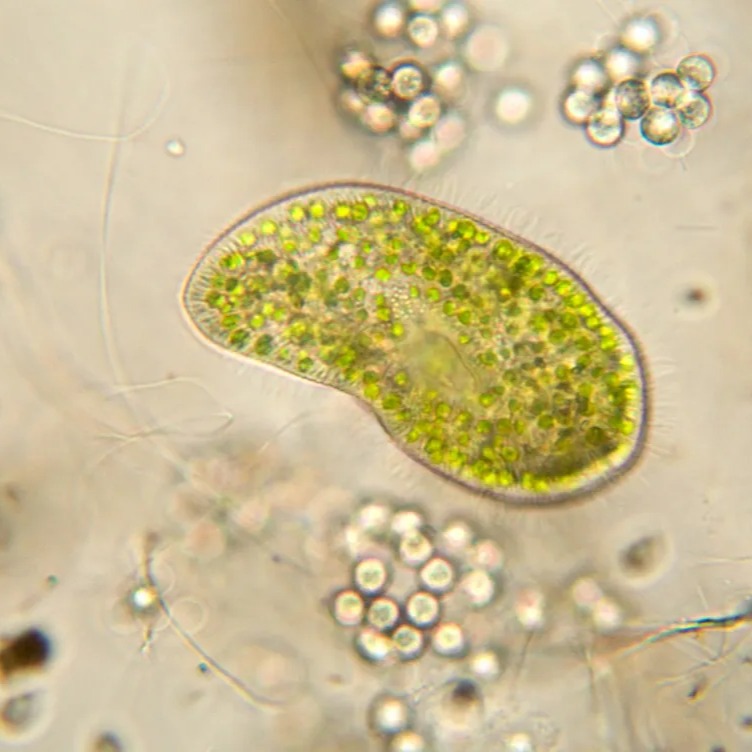
This is your first grandmother, LECA. Last Eukaryotic Common Ancestor.
She is the grandmother of every animal, every plant, every mushroom, every amoeba. Everything with complex cells descends from her. Before her, life didn’t have ‘grandmothers’ in the way we mean it now. But she invented a new kind of reproduction that required two parents. Before her, life just made copies instead of combinations.
She was a single cell, but not a simple one. She already had DNA bundled in a nucleus, mitochondria, a cytoskeleton, cilia.
The mitochondria were once free-living bacteria. She swallowed one and didn’t digest it. Kept it alive. Put it to work.
You still have them. About a thousand mitochondria in every cell of your body. Descendants of that bacterium, still making your energy, two billion years later, because of your grandmother.
This is as far back as the chain of mothers goes. Two billion years. One unbroken line.
Last eukaryotic common ancestor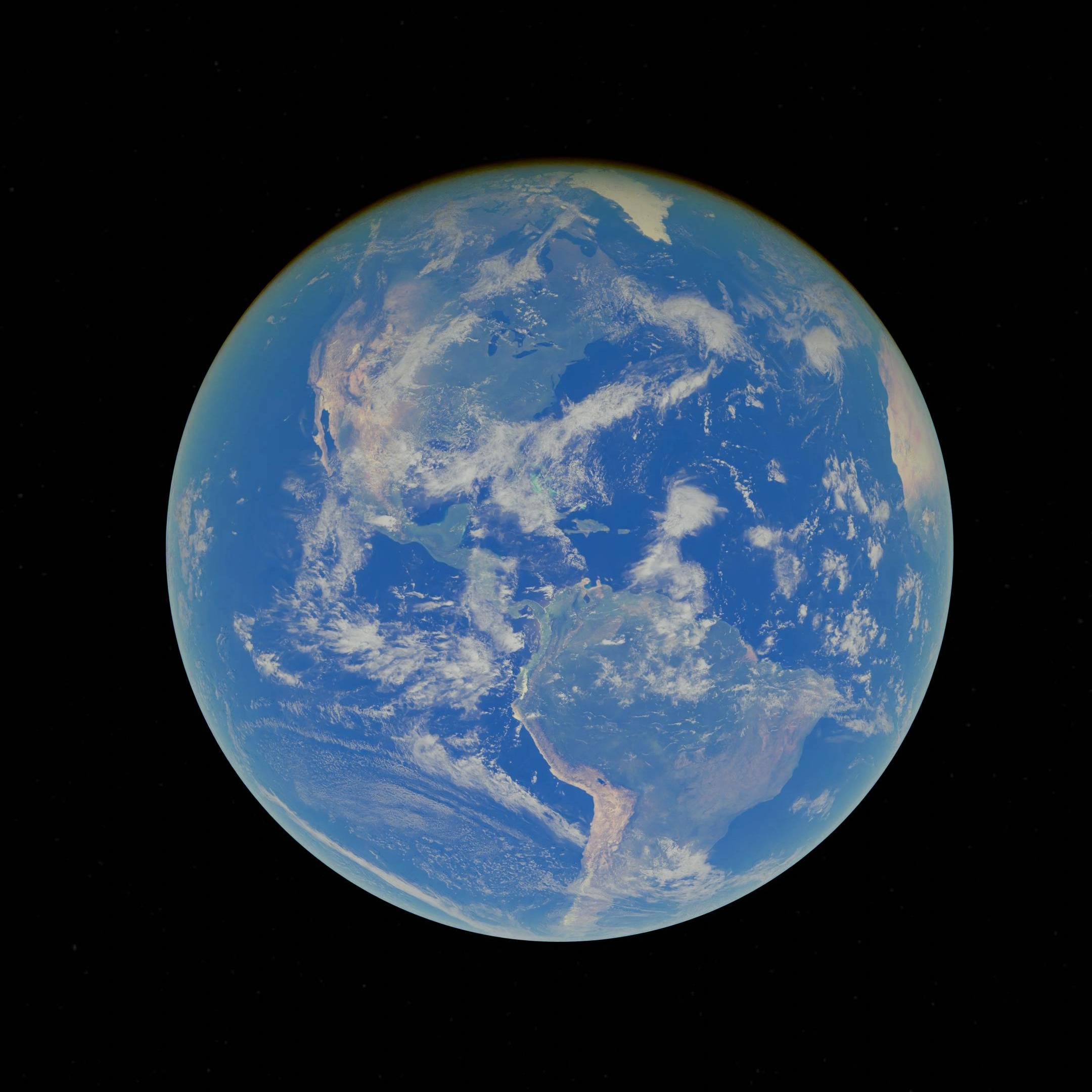
A tree is your cousin. A mushroom. A sparrow. An ant.
Each one had a mother, who had a mother, who had a mother, and they share a grandmother with you.
We are one great big family.